

Recruiters aren’t slow by choice; they’re constrained by processes that weren’t designed for the scale or speed today demands.
Between resume floods, scheduling loops, and inconsistent feedback, most hiring systems collapse under their own weight.
Reducing time-to-hire by 50% isn’t about more effort, it’s about less friction.
This 90-day playbook breaks down how to rebuild your recruitment process into one that’s fast, fair, and structured, the way high-performing teams now operate with systems like JusRecruit, which quietly blends automation and human judgment into one workflow.
Understanding the “Time-to-Hire” Metric
What time-to-hire really measures (and what it doesn’t)
Time-to-hire measures how efficiently your hiring system moves a candidate from first touch to accepted offer.
It’s less a measure of recruiter activity, and more a reflection of how well your hiring process is designed to eliminate friction.
High-performing teams don’t cut time by skipping steps, they shorten cycles by making each step smarter: using automation to handle the volume, and humans to handle the judgment.
That balance is at the core of how JusRecruit approaches hiring workflows, where early screening is automated to filter out noise, but recruiters still control the evaluation criteria, the weighting, and the final say.
The goal isn’t to remove human input; it’s to make sure it’s applied where it matters most.
Average benchmarks by industry as per 2025
| Industry | Average Time-to-Hire | Efficient Benchmark |
| Tech | 35–40 days | 20–25 days |
| Finance | 41–45 days | 25–30 days |
| Retail / Hospitality | 25–30 days | 15–20 days |
| Manufacturing | 39–44 days | 22–26 days |
| Healthcare | 45–50 days | 30–35 days |
Teams hitting the “efficient benchmark” aren’t moving faster because they’re lucky, they’re working from systems that make friction visible.
JusRecruit’s unified dashboard, for example, helps teams visualize every stage, from sourcing to offer.
Why a slow hiring cycle costs you top talent
Every delay sends a message, to candidates, to hiring managers, and to your brand.
When feedback takes days, great candidates move on.
When decisions are inconsistent, recruiter confidence drops.
Slow hiring isn’t just inefficient, it’s expensive.
That’s why modern systems now prioritize structured speed, moving fast because they’re designed well, not because they skip steps.
Diagnosing Your Hiring Bottlenecks
1. Screening Overload
The average recruiter reviews hundreds of resumes per role, and most are nowhere near a fit.
Manual screening often eats up 20+ hours per hire, time that could be better spent engaging top candidates or collaborating with hiring managers.
This is where intelligent automation starts to make a measurable difference.
Instead of manually sifting through every application, teams can use systems like
JusRecruit to automatically triage inbound candidates, scanning for skills, experience relevance, and contextual indicators that align with the job’s real requirements.
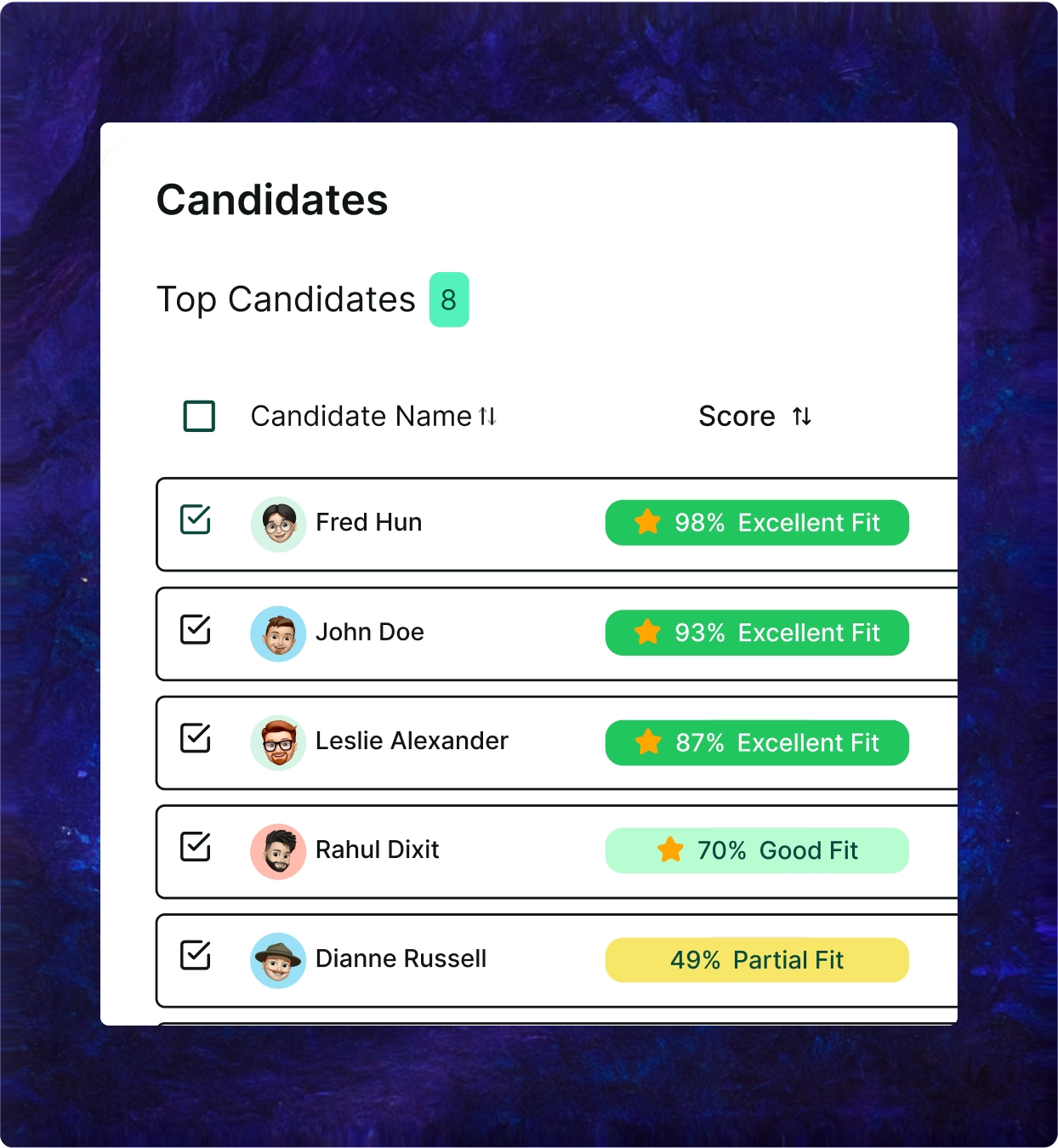
It’s not about letting AI make hiring decisions.
It’s about using structured automation to separate signal from noise, so recruiters can focus on evaluating the people who genuinely meet the mark.
2. Scheduling delays
Interview scheduling often adds 5–7 days to the process.
Instead of endless email chains, JusRecruit’s smart scheduler syncs candidate and interviewer calendars instantly, allowing self-booking and eliminating back-and-forth.
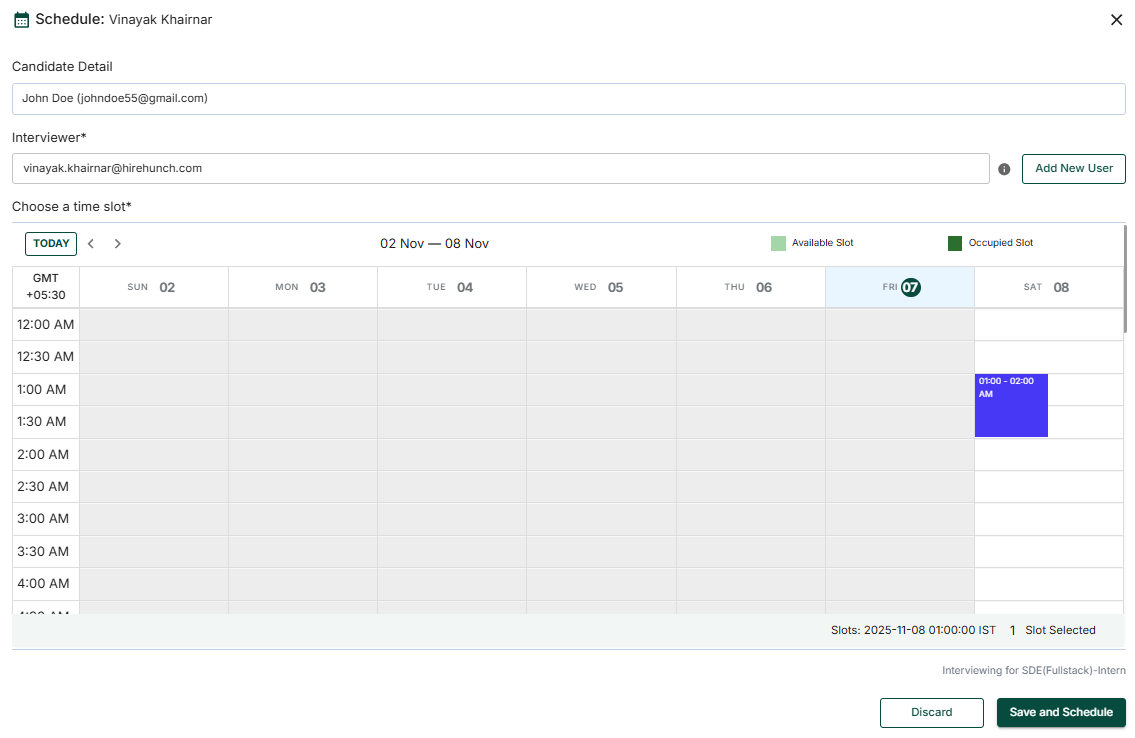
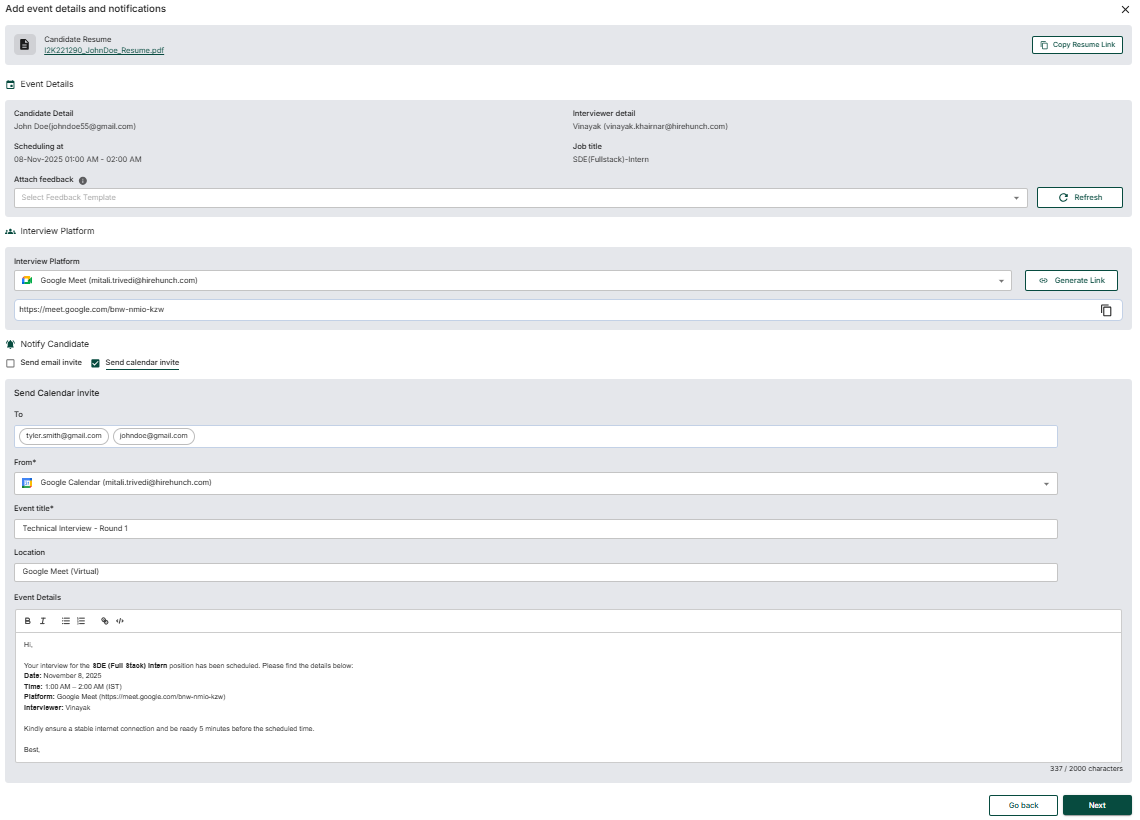

This doesn’t just save time; it saves candidate interest.
3. Feedback loops
Unstructured interviews lead to inconsistent feedback.
When every interviewer uses different criteria, alignment takes days.
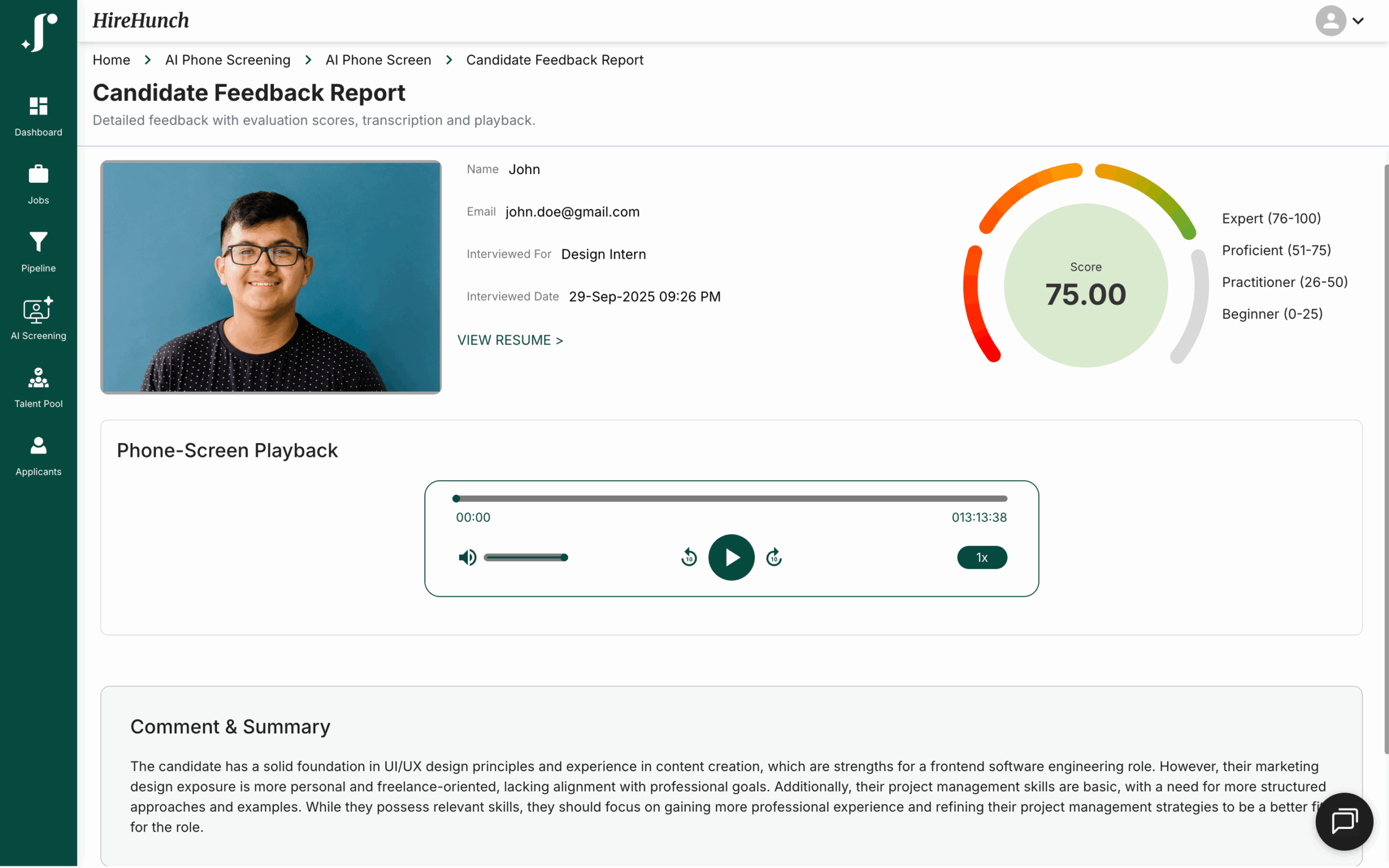
JusRecruit’s adaptive interview assistant produces structured scorecards that make feedback comparable and actionable, so recruiters spend minutes aligning, not hours debating.
The 90-Day Playbook to Cut Hiring Time by Half
Speed doesn’t come from working harder, it comes from removing drag.
Every hiring process accumulates friction over time: duplicated steps, unclear ownership, manual screening, and fragmented feedback.
This 90-day playbook is designed to rebuild your recruitment system from the ground up, replacing clutter with clarity, decisions with data, and repetition with rhythm.
It mirrors how high-performing teams work inside platforms like JusRecruit, where automation and human judgment coexist seamlessly: automation handles scale; recruiters handle substance.
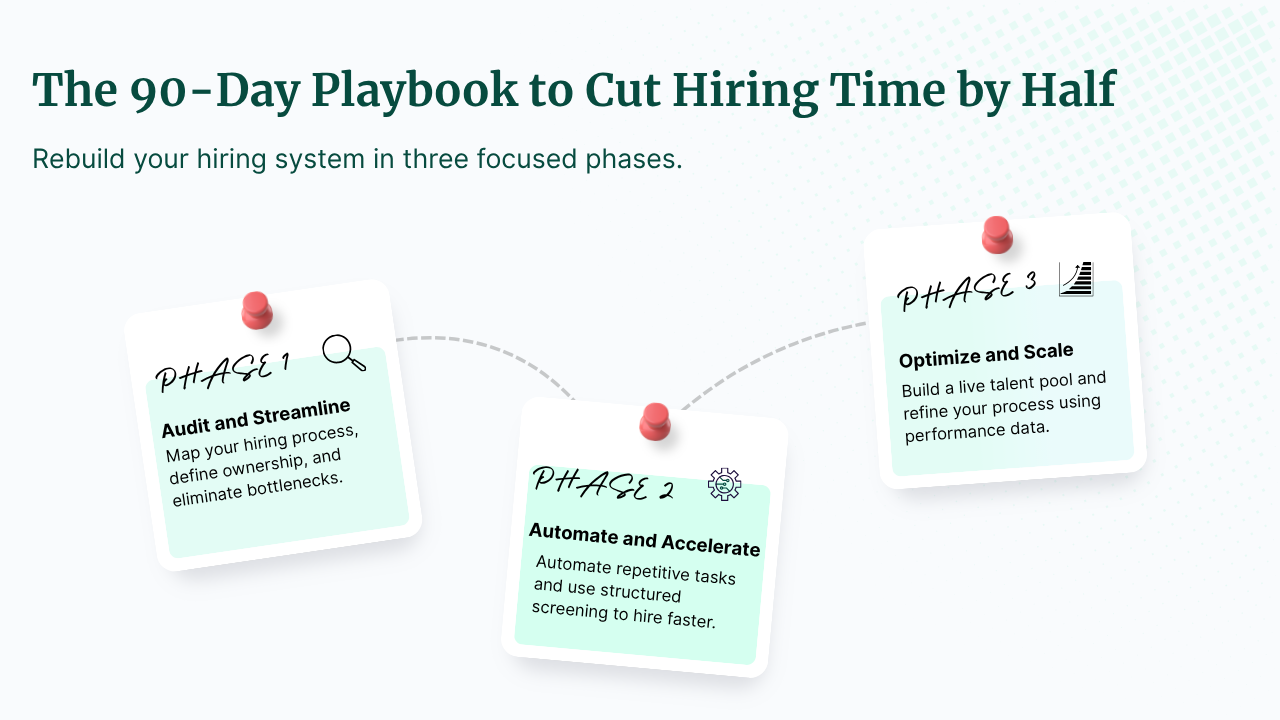
Phase 1 (Days 1–30): Audit and Streamline
The first 30 days are about seeing the system for what it really is.
Before you optimize, you have to observe.
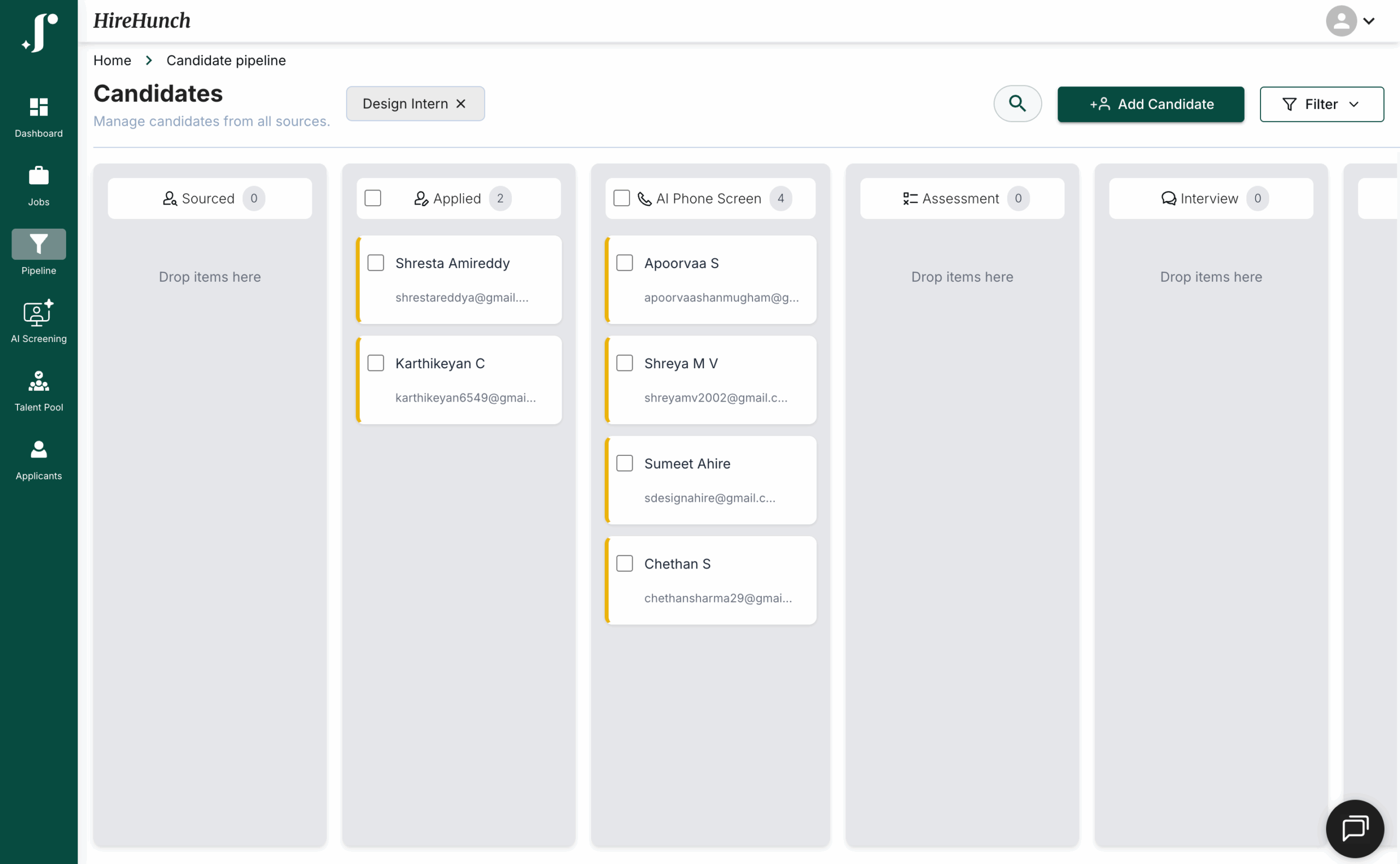
1. Map the Candidate Journey
Start by visualizing every touchpoint from job post to offer.
- Who owns each step?
- What decisions are made there?
- How long does each one take?
This exercise alone often reveals that the biggest delays aren’t in candidate quality, they’re in handoffs and decision-making.
High-performing teams use this mapping as their baseline metric dashboard: total time per stage, conversion ratios, and feedback lag.
Inside systems like JusRecruit, these touchpoints appear in one visual flow, so bottlenecks are no longer hidden in inboxes or Slack messages.
Insight to apply:
Friction multiplies in silence. What’s measured can be improved, but only if it’s visible.
2. Standardize Scorecards & Train for Consistency
Inconsistent evaluation is one of hiring’s silent killers.
Two interviewers can meet the same candidate and walk away with opposite impressions, simply because they were measuring different things.
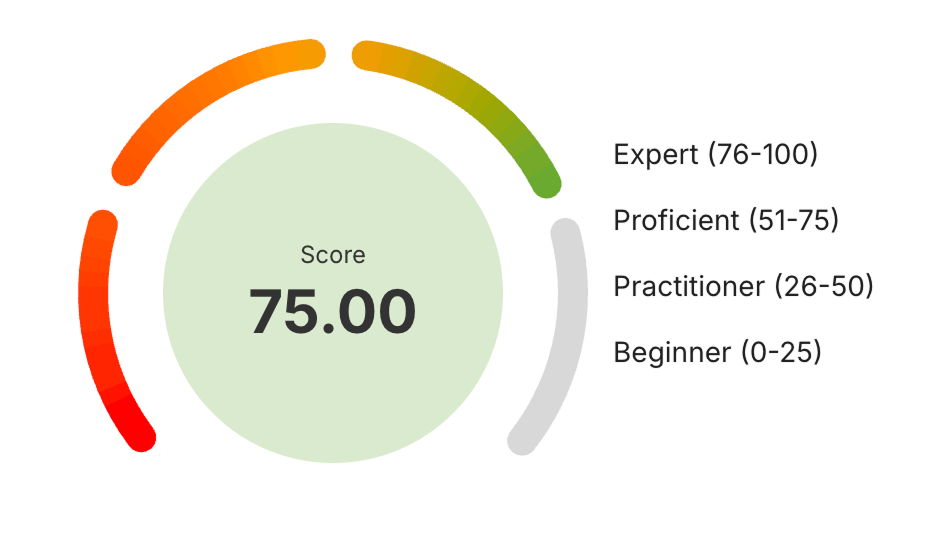
A structured scorecard turns hiring from subjective debate into comparable evidence.
Design your scorecards around:
- Core competencies (role-specific and behavioral)
- Scoring scales (1–5 anchored to observable behaviors)
- Evidence notes (to support each rating)
Once scorecards are standardized, interviewers spend less time “aligning opinions” and more time making data-informed calls.
That’s precisely the thinking embedded in JusRecruit’s structured evaluation approach; every interview feeds into a consistent, comparable score, giving hiring managers instant clarity on fit.
Insight to apply:
Structure doesn’t limit judgment; it clarifies it. Consistency accelerates consensus.
3. Define Accountability at Every Stage
Each stage of your process should have one clear owner.
Shared ownership is the single biggest cause of “invisible delays.”
Map ownership like this:
- Recruiter: owns sourcing + screening
- Hiring Manager: owns evaluation + decision
- HR Ops: owns offer + onboarding
Inside mature workflows like JusRecruit’s, ownership is made explicit, recruiters and hiring managers work within shared dashboards that flag idle stages automatically.
Insight to apply:
Speed is a byproduct of accountability. When everyone knows it’s their move, things move.
Phase 2 (Days 31–60): Automate and Accelerate
Now that your process is visible and structured, it’s time to remove repetitive drag.
This phase introduces automation without removing human control.
1. Automate Screening, But Keep Judgment Human
Manual resume reviews drain 60–70% of recruiter time.
Modern teams solve this by automating the first pass, filtering inbound applications based on skills, relevance, and experience context, while preserving recruiter oversight.
Insight to apply:
Automation should filter volume, not make verdicts. Let AI handle the noise; let people handle the nuance.
2. Streamline the First Interview
The first interview is often the slowest part of hiring, because every conversation starts from scratch.
Instead, design a consistent, adaptive first-round format that can scale.
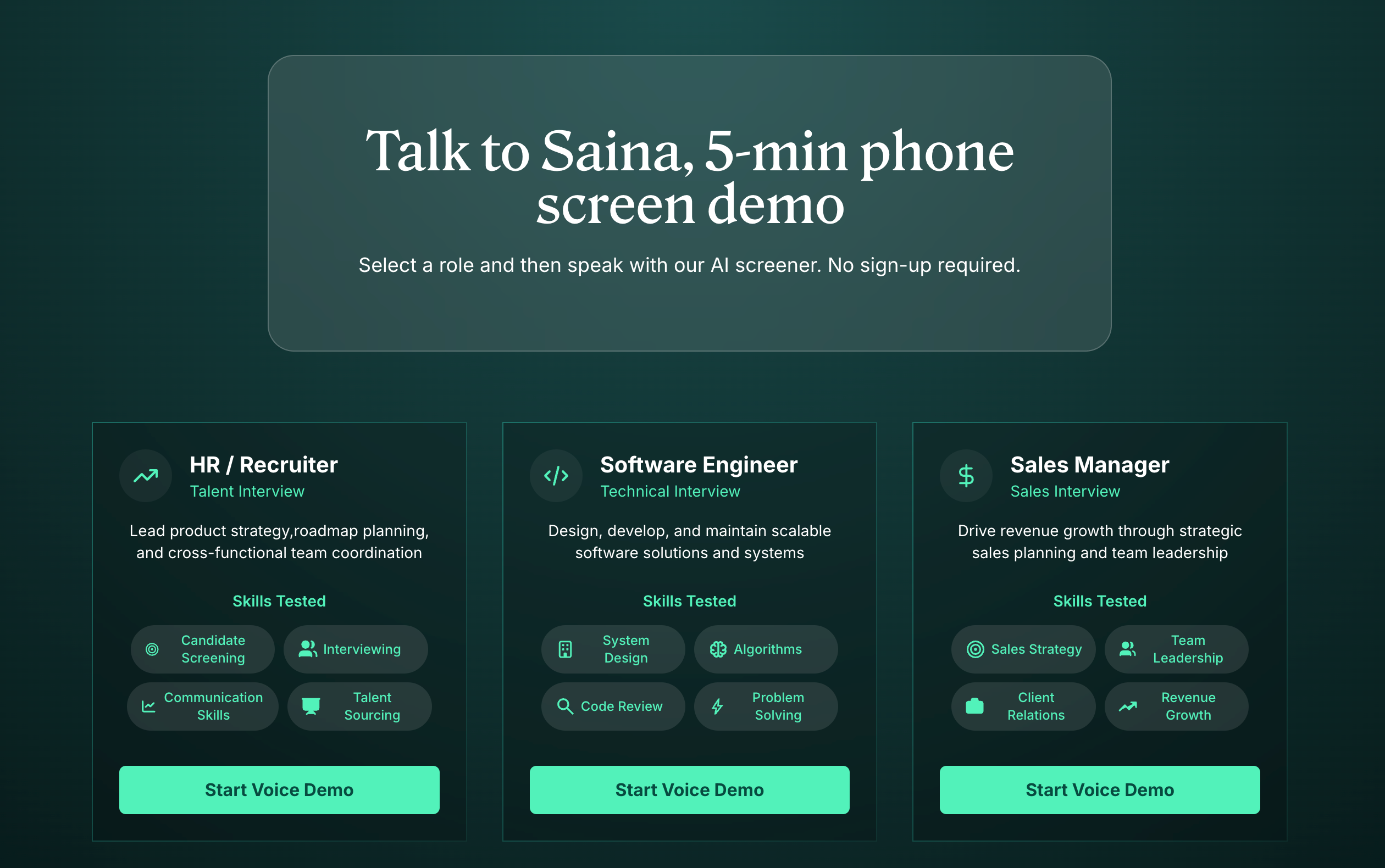
Many leading TA teams now run structured, adaptive first rounds, automated interviews that adjust questions based on responses and generate comparable scorecards.
By the time a recruiter steps in, the data tells half the story.
That’s the philosophy behind JusRecruit’s adaptive evaluation model, consistency at scale, with structured data to back human decisions.
Insight to apply:
Structured early interviews turn chaos into comparability. You can’t speed up decisions if every first conversation starts at zero.
3. Automate Scheduling & Feedback Handshakes
Interview scheduling is the hidden villain of slow hiring.
Even a two-day lag between emails can derail momentum and cost you a candidate.
Introduce self-scheduling links synced with interviewer calendars.
Pair it with automatic feedback reminders that trigger 24 hours after an interview ends.
This design, now common in systems like JusRecruit’s unified scheduler, creates uninterrupted motion between stages, ensuring the pipeline keeps moving even when people are busy.
Insight to apply:
You don’t need more urgency, you need better choreography.
4. Use Skill Assessments to Validate Fit
Pre-employment assessments are the “evidence layer” between application and interview.
Short, role-specific tests validate skills objectively and eliminate guesswork.
When these assessments are connected to the same evaluation workspace, as in integrated systems like JusRecruit, hiring managers can review test results and interview data side by side.
That shortens debate time and increases hiring confidence.
Insight to apply:
Every structured data point reduces an hour of subjective debate.
Phase 3 (Days 61–90): Optimize and Scale
The final phase is about turning a faster system into a self-improving one.
Once your workflow runs cleanly, the next step is to help it learn from its own outcomes.
1. Build Continuous Talent Pipelines
Reactive hiring is the enemy of speed.
High-performing teams keep a live pool of pre-vetted candidates, organized by role, skill, and readiness.
When new roles open, recruiters tap into these warm pipelines first, candidates who’ve already been screened, interviewed, or shortlisted before.
Insight to apply:
Speed isn’t about cutting corners, it’s about never starting from zero.
2. Turn Hiring into a Learning Loop
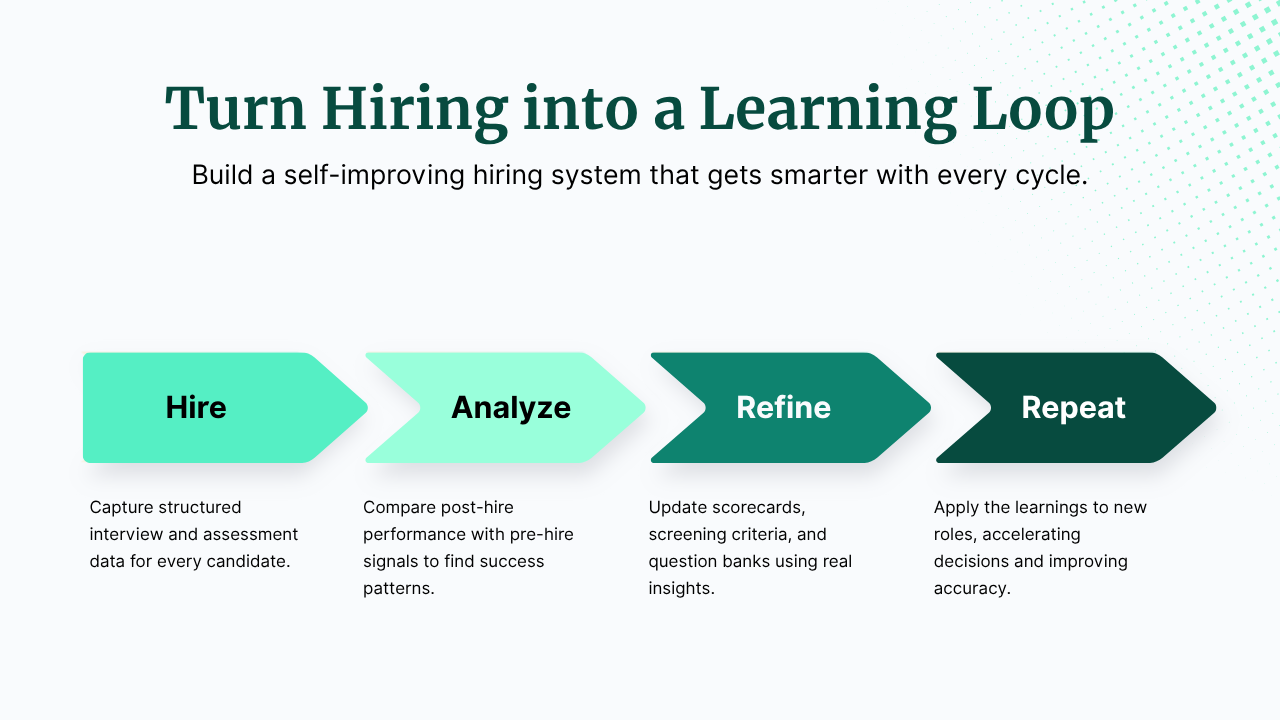
Every hiring cycle produces insights about who succeeds, who drops off, and why.
Feed this data back into your process:
- Which attributes correlated with fast ramp-up?
- Which questions predicted performance?
- Where did candidates lose interest?
The best teams treat this data as feedback fuel, refining scorecards, adjusting screening thresholds, and evolving their question banks accordingly.
Insight to apply:
Speed compounds when learning is built in. Every cycle teaches the next one how to run faster.
3. Institutionalize the Playbook
The final step isn’t operational, it’s cultural.
Document what worked:
- Which metrics moved
- Which steps had the most impact
- What new habits the team should keep
Turn your 90-day sprint into a living hiring playbook.
In many teams, this becomes a digital artifact, a single source of truth that’s updated quarterly, often exported directly from internal dashboards like JusRecruit’s workflow
Insight to apply:
Transformation is fragile until it’s written down. Process documentation is what makes change survive turnover.
The Bigger Shift
By the end of 90 days, your hiring process should feel fundamentally different, quieter, cleaner, faster.
You’ll have fewer meetings, fewer bottlenecks, and more visibility.
Recruiters will spend less time reacting and more time evaluating.
And decisions will be based on evidence, not anecdotes.
That’s what the JusRecruit philosophy looks like in motion, automation supporting judgment, systems amplifying fairness, and structure enabling speed.
Tools and Tech Stack to Support a Faster Hiring Cycle
Best ATS and automation platforms (2025)
By 2025, modern recruitment tools share three key principles:
- Transparent AI — recruiters stay in control.
- Centralized collaboration — no tool-switching.
- Structured scoring — decisions based on evidence, not impressions.
JusRecruit was built on these same foundations: unified workflows, AI-assisted fairness, and human-first transparency.
How to integrate AI-driven recruitment workflows
| Stage | Automation Layer | Human Layer |
| Screening | JusRecruit AI shortlists candidates | Recruiter reviews top fits |
| First Round | Saina conducts adaptive interviews | Recruiter analyzes scorecards |
| Final Round | Human panel interviews | Uses structured feedback |
| Offer | Automated approval | Personalized candidate communication |
Balancing Speed with Candidate Experience
Why faster doesn’t mean rushed
Candidates notice the difference between efficiency and indifference.
Structured, transparent systems like JusRecruit’s communication module send instant updates and reminders, so candidates never feel ghosted.
Speed becomes empathy when it’s designed thoughtfully.
Communication templates for transparent, humane hiring
Automated touchpoints can feel personal when they’re crafted with empathy:
- A quick acknowledgment after application
- Clear next steps after an interview
- Honest feedback after closure
Measuring Success After Implementation
KPIs to track post-implementation
| Metric | Target | Purpose |
| Time-to-Hire | ↓ 50% | Core efficiency goal |
| Candidate Drop-Off | <10% | Candidate experience |
| Interview-to-Offer Ratio | 3:1 | Screening quality |
| Hiring Manager Satisfaction | +20% | Alignment health |
| Retention at 90 Days | +15% | Predictive accuracy |
Final Takeaway, Turning Speed into a Sustainable Advantage
You don’t reduce time-to-hire by pushing harder, you do it by designing smarter.
With JusRecruit, that balance between automation and human judgment becomes operational, the system handles scale while people focus on what only humans can do: decide, connect, and evaluate fairly.
The result isn’t just faster hiring, it’s consistent, fair, and deeply human hiring.
Because in 2025 and beyond, speed is no longer a differentiator.
Precision and fairness at speed, that’s the new advantage.